The Sounds of Southeast Montana
Guest blogger: Brianna Gray
There is plenty to see while traveling through Southeast Montana. Rugged badlands rise from miles of open country, the Yellowstone River winds through the region and small communities break up long stretches of road. But there is another side of Southeast Montana that is easy to miss if you aren't listening. The song of a Western meadowlark, the rumble of a passing train and the wind moving through the grass are all part of the soundtrack of everyday life here. You don't have to recognize every sound to appreciate it. Sometimes, listening is enough.
The Morning Chorus
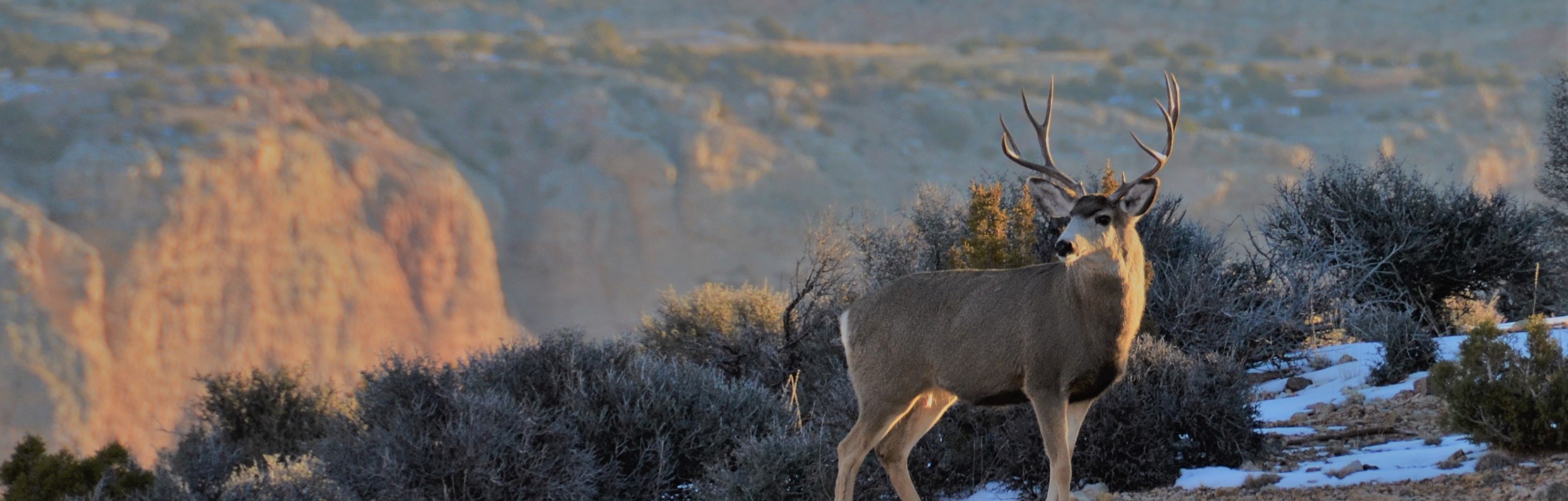
Morning on the prairie begins with birdsong. As the first light reaches the open country, Western meadowlarks sing their familiar, flute-like songs. Their calls carry across the grass, sometimes answered by other birds nearby. Depending on the season and where you're exploring, you may also hear the rolling calls of sandhill cranes or the drumming of a downy woodpecker.
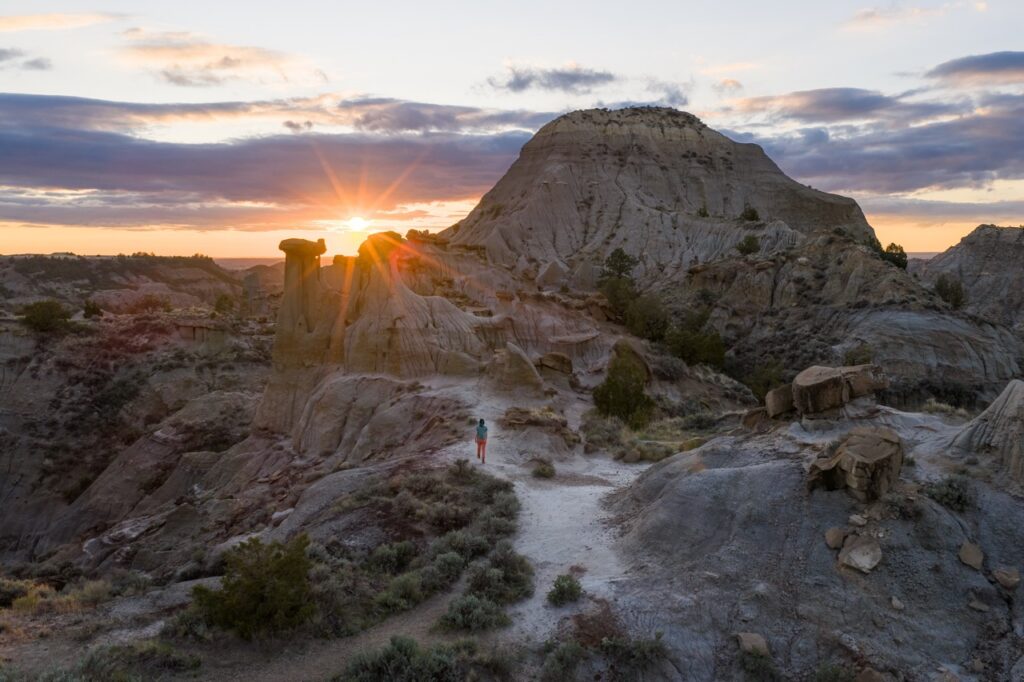
At Makoshika State Park near Glendive, the early hours offer a chance to experience the prairie waking up. Trails wind between rugged rock formations, and the morning light gradually reveals the shapes and colors of the badlands. With fewer distractions, even the occasional rustle of wildlife moving through the brush becomes easier to notice.
Where the Yellowstone Flows
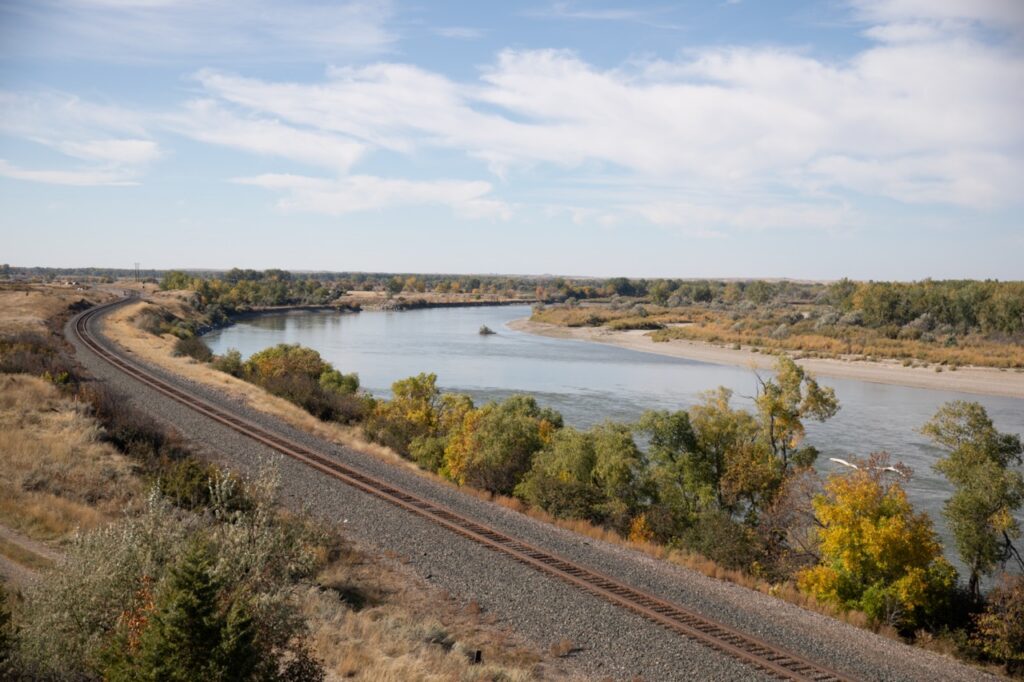
The Yellowstone River has its own rhythm. Depending on where you're standing, you might hear the gentle movement of water along the bank or the stronger current flowing past. Cottonwoods grow along stretches of the river, where birdsong mixes with the sound of moving water.
Throughout Southeast Montana, numerous public access points give visitors opportunities to experience the Yellowstone. Some are popular with anglers, while others offer places to launch a boat, watch for wildlife or simply enjoy the scenery. Each stretch of the river has something different to offer, from wooded banks to wide-open views of the surrounding countryside.
You don't need a fishing rod or a full afternoon planned to enjoy being near the water. Find a spot along the bank, listen to the current and stay awhile.
The Sounds of Working Montana
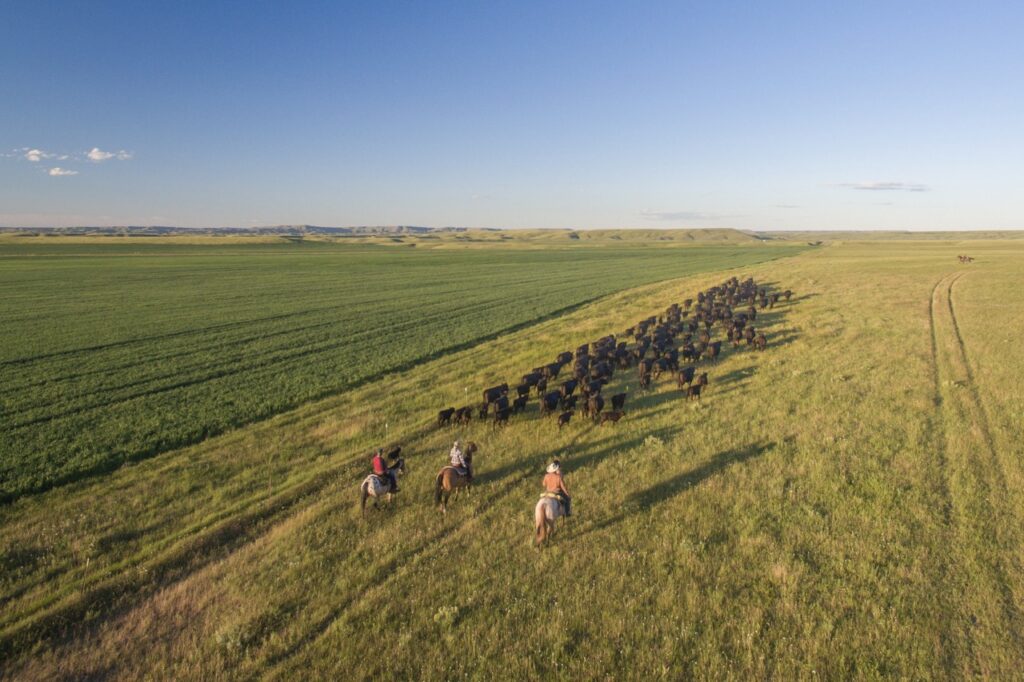
Ranching and farming have long been part of life in Southeast Montana. In the early morning, cattle call from pastures, horses move through corrals and gates clang shut as the day's chores begin. In nearby fields, you might hear the roar of a tractor or the wind rustling through a field of wheat.
For the families who call this country home, these aren't sounds they have to seek out. They're part of the work that keeps ranches and farms running.
The Railroad’s Familiar Rumble
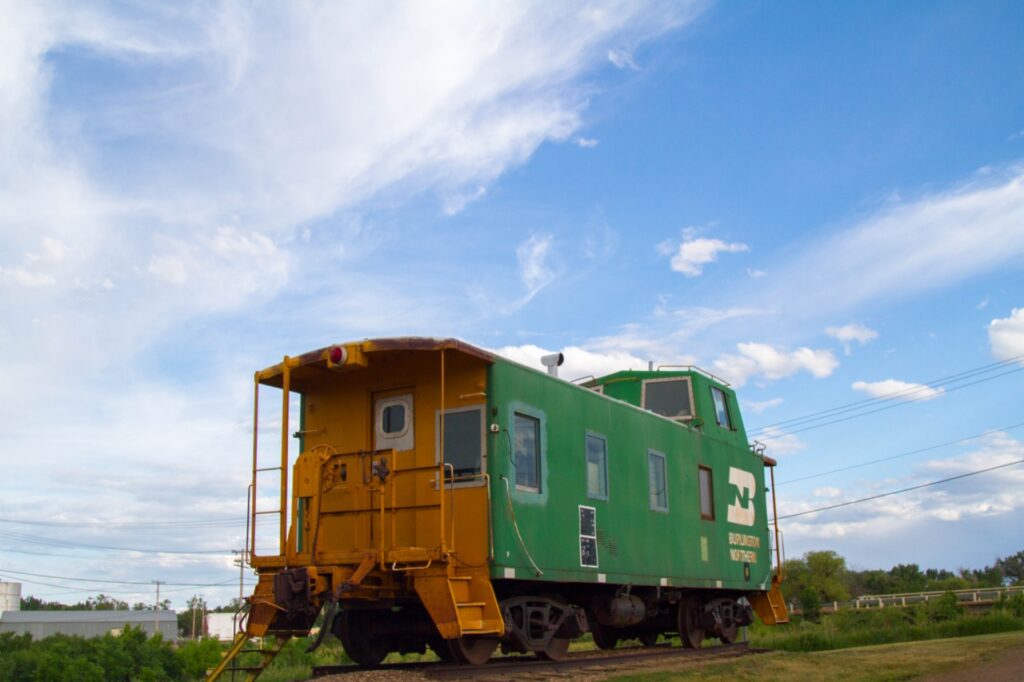
A train whistle can carry a long way across Southeast Montana's open country. Sometimes, you'll hear it before the train comes into view. Then comes the low rumble of railcars moving along the tracks, a sound that has been familiar to communities throughout the region for generations.
Railroads helped connect Southeast Montana's agricultural producers and businesses to markets beyond the state. Towns grew along the routes, and trains became part of daily life for the people who lived there. In Billings, the historic Billings Depot recalls a time when passenger trains pulled into downtown, bringing the sounds of footsteps, conversation and travelers coming and going.
When the Wind Takes Over
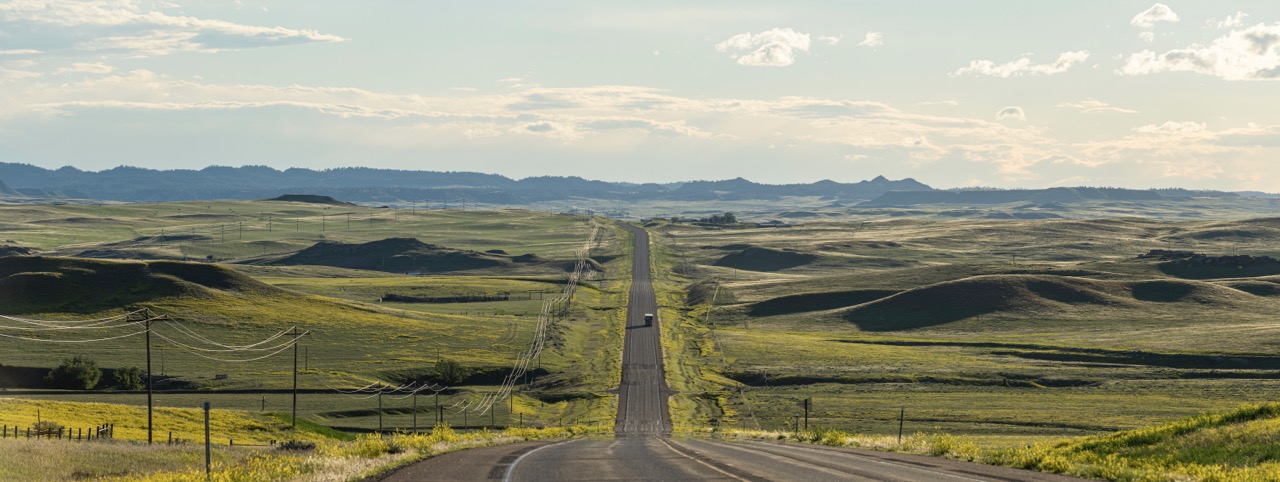
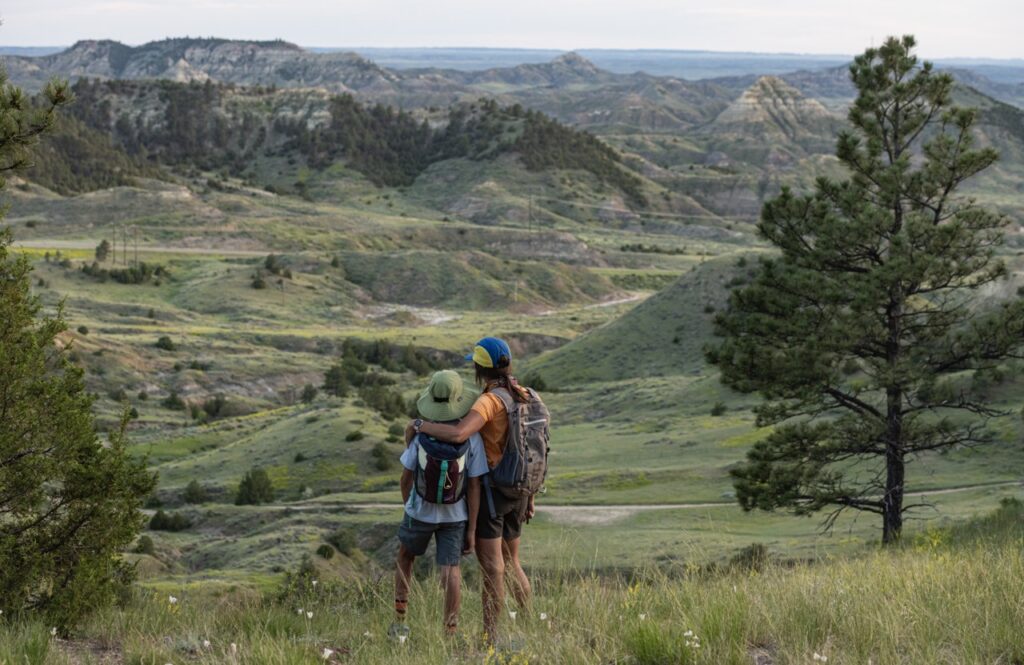
There are places in Southeast Montana where the wind seems to be the only thing moving. It brushes through tall grass and sagebrush, crosses open fields and moves around the hills and rock formations that rise from the surrounding country.
Its sound changes depending on where you're standing. Among the grasses, it's a soft, steady rustling. Out in the open, it can be strong enough to drown out almost everything else.
By late afternoon, the activity of the day begins to slow, and the wind becomes easier to notice. There may still be cattle calling somewhere in the distance or a train passing through a nearby town, but there are also long stretches when the wind is all you hear. Quiet in Southeast Montana doesn't always mean complete silence. Sometimes, it means having enough space to hear the sounds that are usually drowned out by everything else.
When Night Falls
As daylight fades, Southeast Montana begins to settle. Birds grow quieter, work on ranches winds down and the occasional train whistle may still carry through the evening air. The sounds that filled the day gradually give way to something different.
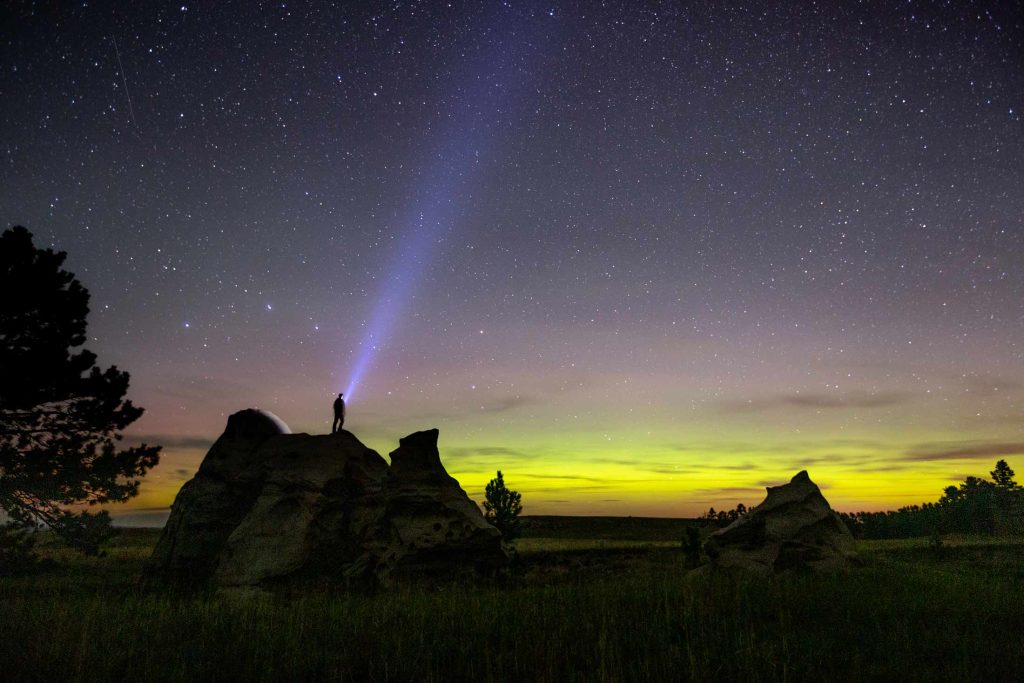
At Medicine Rocks State Park, between Baker and Ekalaka, enormous sandstone formations rise from the open country. Standing among them can be humbling. Their size alone makes you stop and look around, but when the park is quiet, there's something about the stillness that makes the experience even more memorable.
Medicine Rocks is designated an International Dark Sky Sanctuary. After sunset, the sandstone formations stand beneath skies largely free from the glow of city lights. Here, quiet and darkness are part of the destination.
Listen for Yourself
From the first birdsong of morning to the quiet of a prairie night, Southeast Montana has a soundtrack all its own. Some of it echoes through generations of ranching and railroad history. Some follows the bends of the Yellowstone River or rises on the wind across the badlands. And some can only be heard when you slow down long enough to notice.
Come experience the sounds of Southeast Montana. Wander a trail at sunrise, spend an afternoon along the river or watch the stars emerge over the prairie. Wherever your travels take you, take a moment to pause, listen and discover what makes this place unlike anywhere else.