This map will lead you on a historic journey following the movements of Lt. Col. Custer and the 7th Calvary during the days, weeks and months leading up to, and immediately following, the renowned Battle of the Little Bighorn.
Download the Map

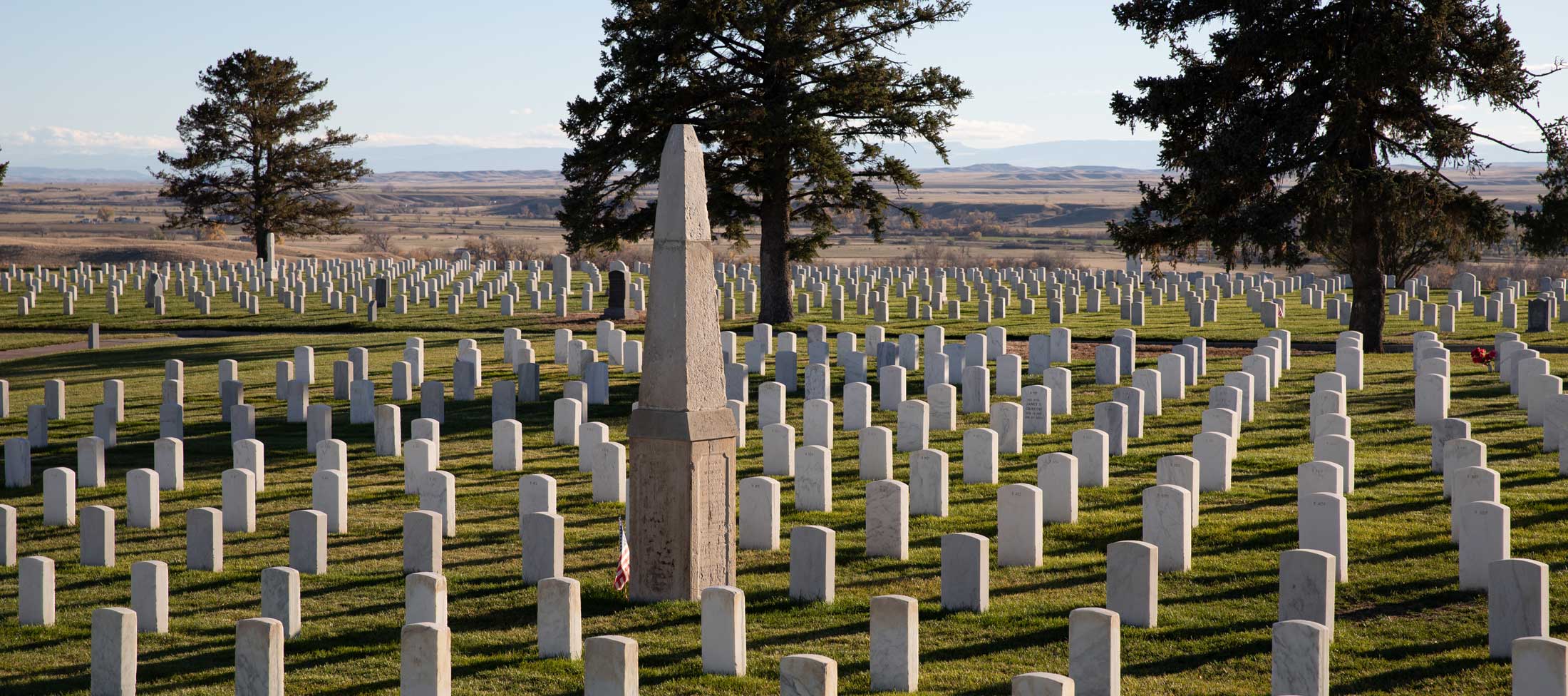
The Battle of the Little Bighorn remains one of the most significant events in the history of the Northern Plains. Fought June 25–26, 1876, along the Little Bighorn River in what is now Southeast Montana, it brought together U.S. Army forces and a large coalition of Lakota, Northern Cheyenne, and Arapaho warriors, each shaped by different experiences, priorities, and connections to this land.
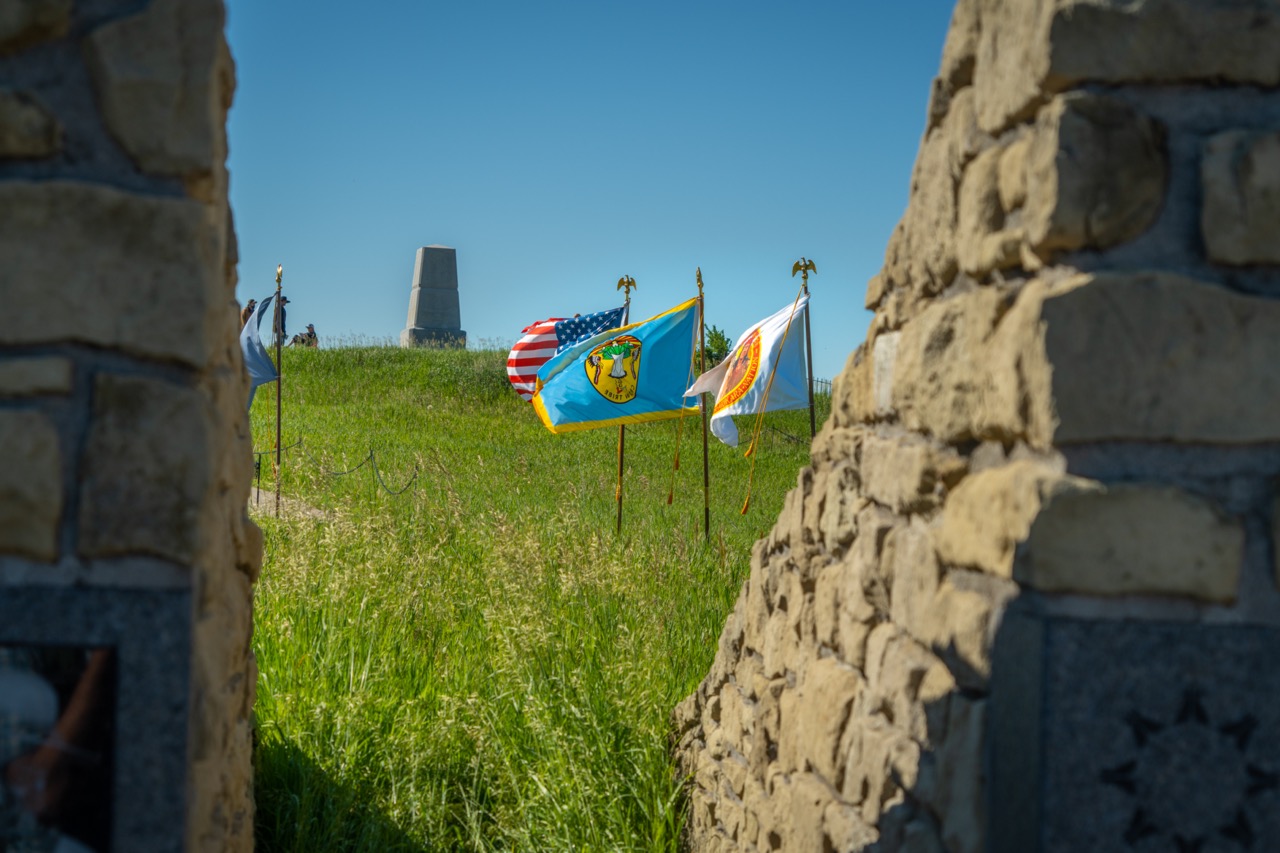 Little Bighorn Battlefield National Monument, Traveling Mel
Sometimes referred to historically as “Custer’s Last Stand” and the "Battle of the Greasy Grass," the battle marked a significant military victory for the Tribal Nations involved. In the years that followed, however, the outcomes of the conflict contributed to lasting and profound changes for Native communities across the region. Today, the Battle of the Little Bighorn is understood through many perspectives—military, cultural, and personal—each adding depth to how the story is remembered and shared.
Visitors can experience this history firsthand at Little Bighorn Battlefield National Monument, where the landscape itself plays a central role in understanding what occurred here. The sweeping hills, river valley, and open sky provide context that no textbook can fully capture. Stone markers across the battlefield indicate where soldiers fell while the Indian Memorial, dedicated in 2003, honors the Native warriors who fought in the battle and recognizes the importance of multiple perspectives.
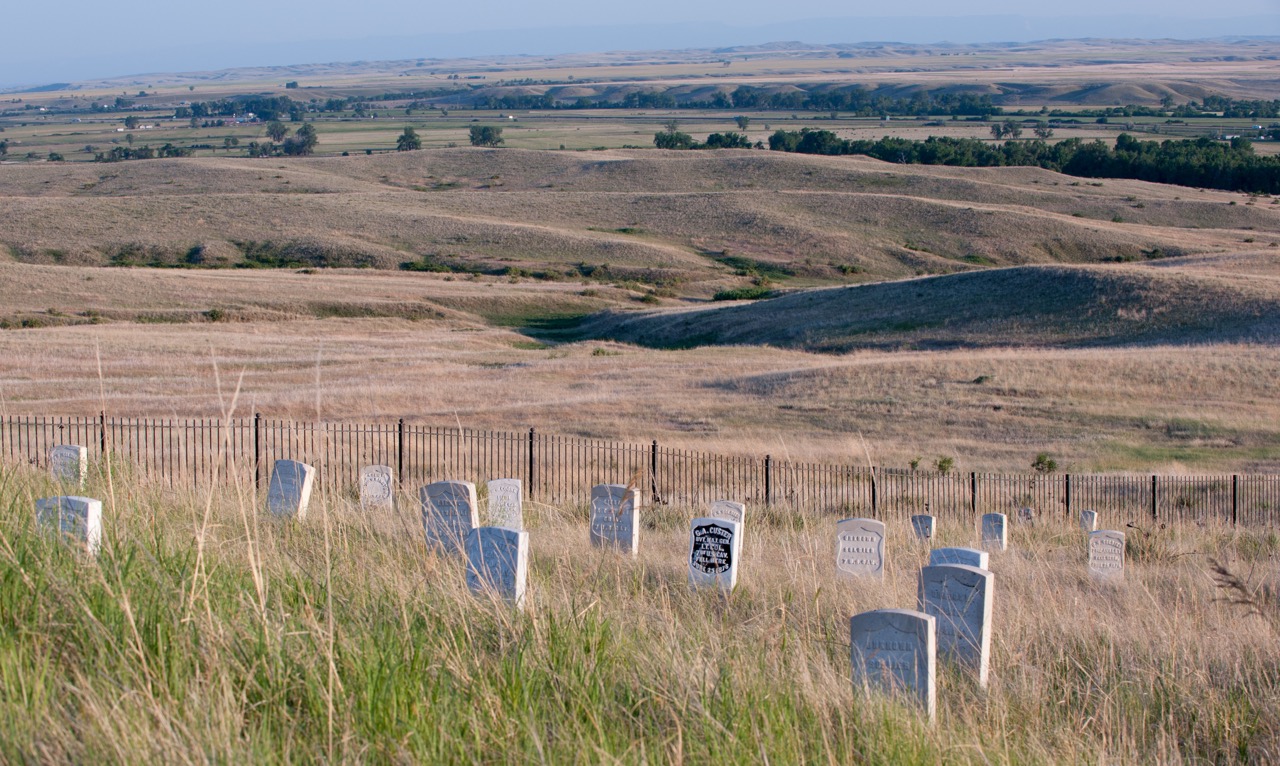 Little Bighorn Battlefield National Monument, Montana Department of Commerce
Interpretive trails, exhibits, and ranger-led programs offer opportunities to learn more about the events of June 1876 and the broader history surrounding them. Many visitors find that walking the ground—moving through the same terrain where these events unfolded—brings a deeper sense of connection and understanding.
Little Bighorn Battlefield National Monument hosts ranger-led programs, interpretive talks, and educational opportunities that help visitors explore the events of June 1876 and the broader history surrounding them. Visitors may also attend special programs or cultural events, hosted by the National Park Service and Tribal partners, that provide additional perspectives on the history and significance of this place.
Beyond the battlefield itself, the surrounding region offers additional places to explore the stories and landscapes connected to this history. Nearby communities, cultural sites and scenic areas provide opportunities to spend more time in Southeast Montana and experience the broader context of the Northern Plains.
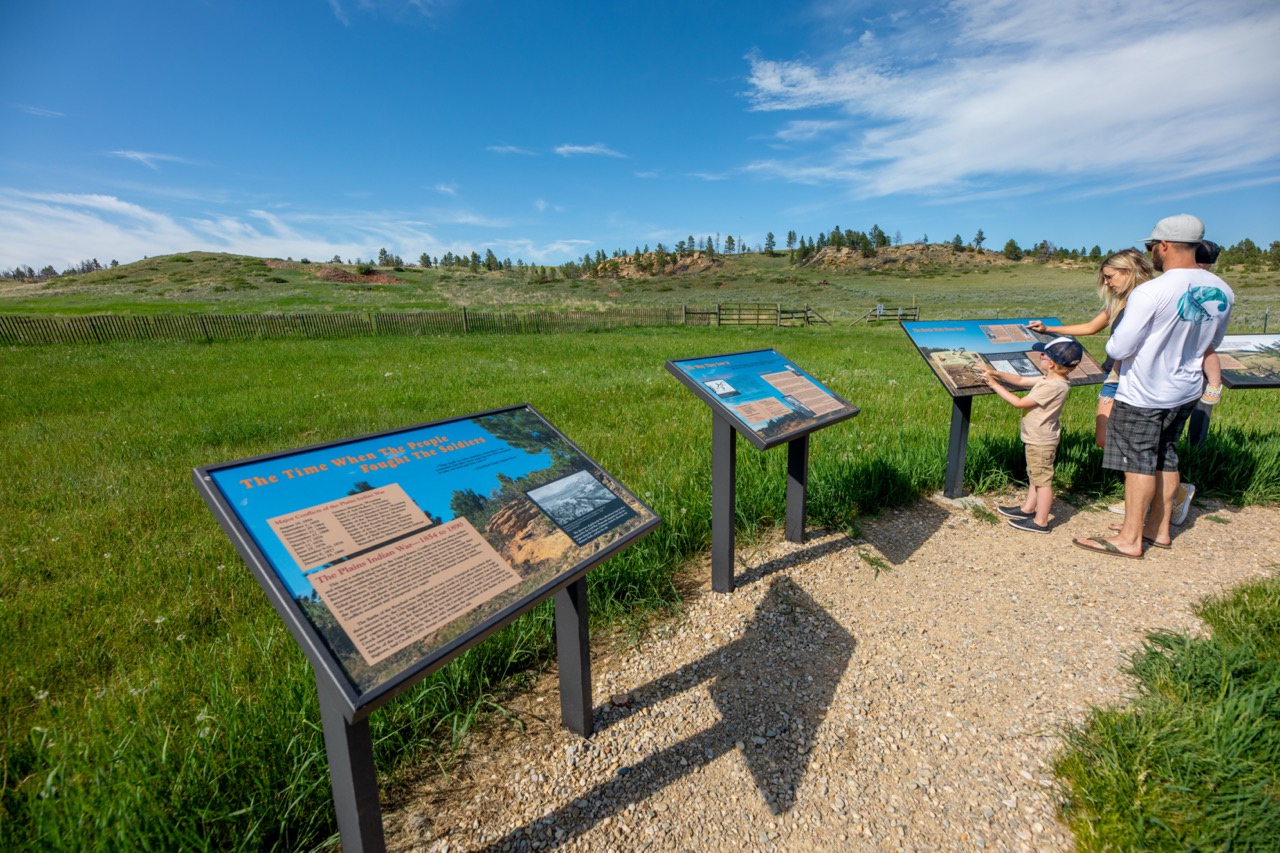 Rosebud Battlefield State Park, Andy Austin
Today, the Battle of the Little Bighorn is both a historic site and a place of ongoing meaning. It is a place to pause, to listen, and to consider the many stories carried forward across generations — where the past is remembered and the landscape continues to speak.
Little Bighorn Battlefield National Monument is open year-round, with seasonal ranger programs and interpretive experiences. Before visiting, check the National Park Service website for current hours, special programs, and visitor information.
The Battle of the Little Bighorn continues to shape understanding of the Northern Plains. Explore the timeline below to follow the events leading up to the battle, what happened here in June 1876 and how the site has been remembered in the years since.
This map will lead you on a historic journey following the movements of Lt. Col. Custer and the 7th Calvary during the days, weeks and months leading up to, and immediately following, the renowned Battle of the Little Bighorn.
Download the Map