Summer Fishing Adventures in Southeast Montana
Long summer days, wide-open skies, and rivers winding through rugged prairie landscapes, summer in Southeast Montana is made for fishing. Whether you’re casting from a drift boat on the legendary Bighorn River, floating the Yellowstone, or finding quiet shoreline spots along Tongue River Reservoir, anglers will discover unforgettable experiences across the region.
From trophy trout to walleye and bass, Southeast Montana offers a variety of waters for every kind of fisherman. Beyond the catch itself, it’s the scenery, wildlife, and peaceful pace of the region that keeps anglers returning year after year.
For information about outfitters around the region:
- Billings - https://www.visitbillings.com/
- Forsyth - https://www.forsythmtchamber.com/
- Glendive - https://www.visitglendive.com/
- Miles City - https://milescitychamber.com/miles-city-convention-visitors-bureau/
Yellowstone River: Montana’s Wild and Scenic Icon
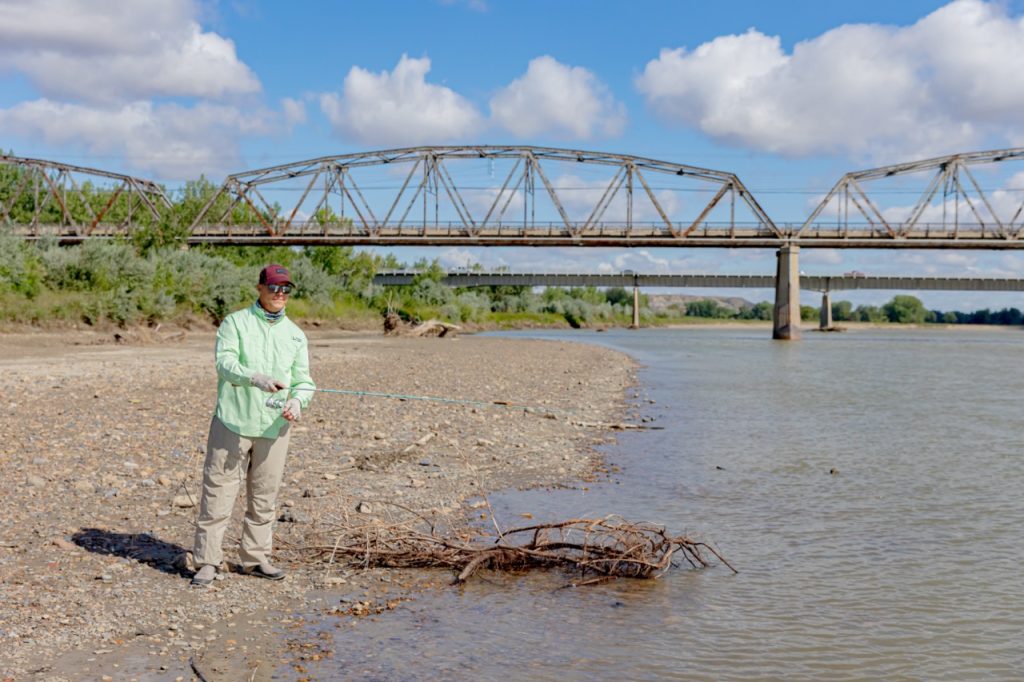
The Yellowstone River is the longest free-flowing, undammed river in the lower 48 states, flowing out of Yellowstone National Park and across Southeast Montana’s rolling plains.
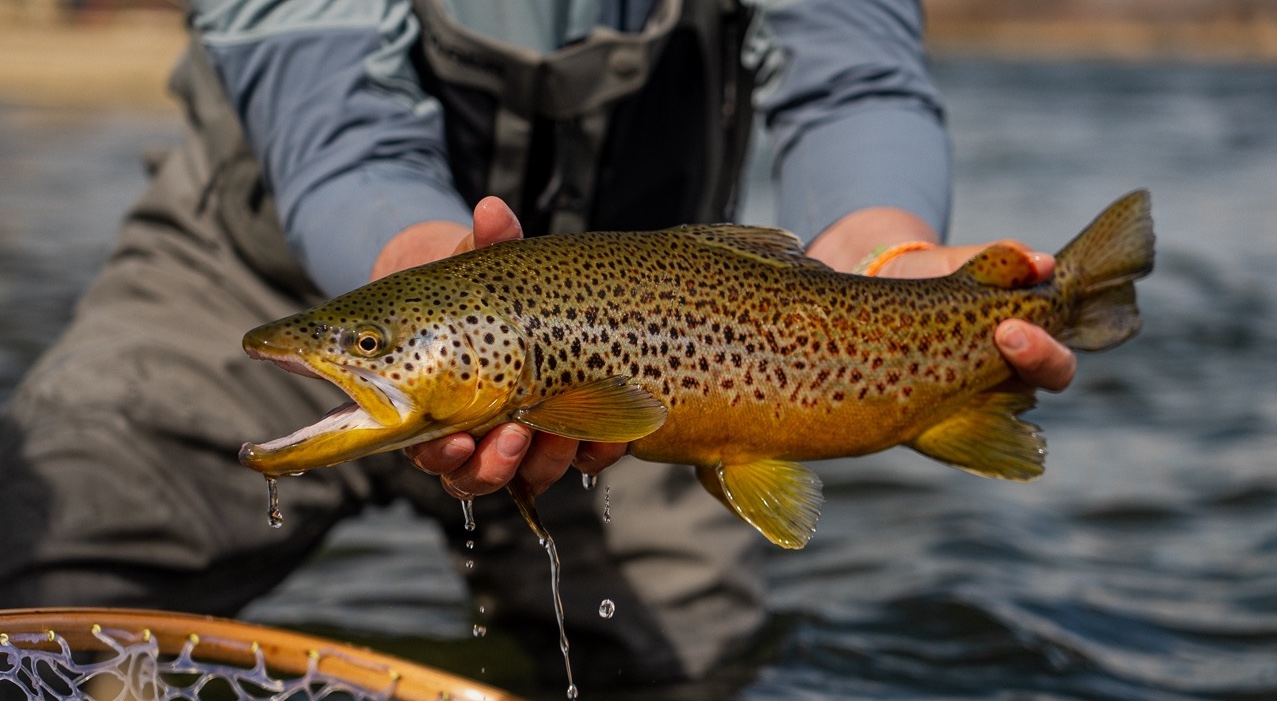
Summer on the Yellowstone brings excellent opportunities for floating, fly fishing, and warm-weather adventure. Anglers target brown trout, rainbow trout, catfish, sauger, and smallmouth bass while drifting through cottonwood-lined banks and wide-open valleys.
The river changes constantly with seasonal flows, creating side channels, gravel bars, and hidden pockets where fish thrive. By midsummer, dry fly fishing and hopper season attract anglers from across the country looking for classic Montana river experiences.
Popular floating stretches near Billings include Laurel to Riverside Park and Duck Creek to Blue Creek. Along the way, visitors may spot bald eagles soaring overhead, deer along the shoreline, and the occasional pelican gliding across the water. For many visitors, fishing the Yellowstone is more than a sport, it’s a chance to experience one of the last truly wild rivers in America.
Bighorn River and Bighorn Lake: Legendary Waters
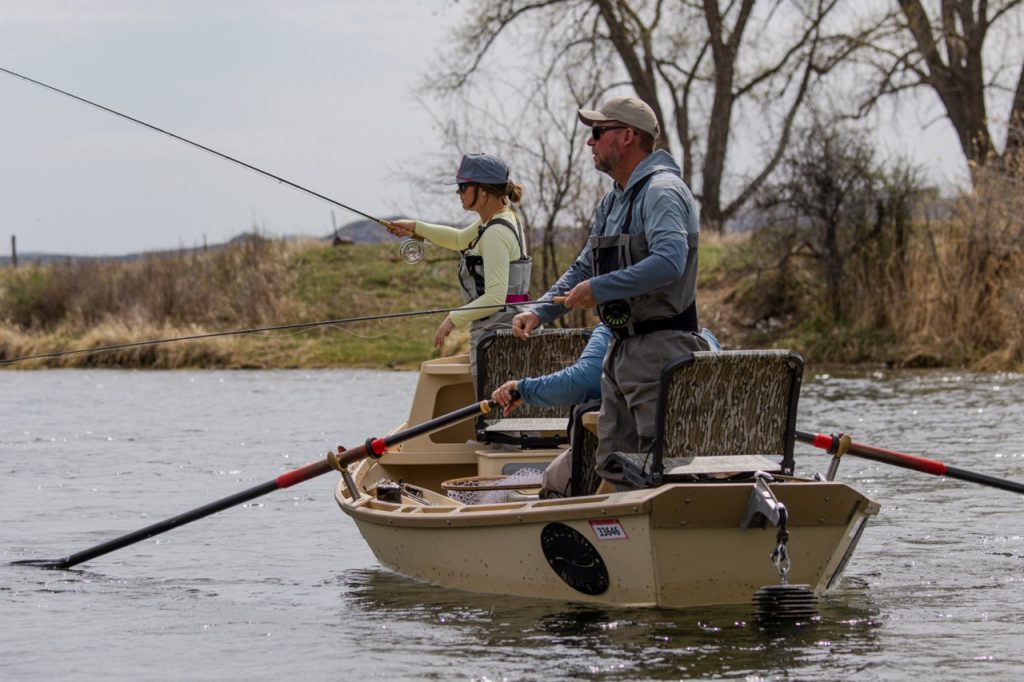
Few fisheries in the West have earned the reputation of the Bighorn River. Fed by the cold waters released from Yellowtail Dam, the river maintains steady flows and cool temperatures that support healthy populations of brown and rainbow trout.
Summer mornings on the Bighorn are calm and quiet, with anglers launching drift boats as the sun rises over the canyon walls. Throughout the season, prolific insect hatches create ideal conditions for fly fishing, while streamer and nymph setups consistently produce impressive catches. Hopper fishing becomes especially productive later in the summer months.
The surrounding landscape is part of the magic. To the west, the Bighorn Mountains rise dramatically above the prairie. Eagles circle overhead, and deer frequently appear along the banks. It’s easy to understand why so many anglers consider the Bighorn one of the premier trout rivers in the country.
Just downstream lies Bighorn Lake, stretching 71 miles through the dramatic cliffs of Bighorn Canyon National Recreation Area. Summer visitors enjoy boating, kayaking, swimming, and fishing against a backdrop of towering canyon walls and crystal-clear water.
Anglers on the lake target walleye, bass, trout, and perch, while boaters explore hidden coves and secluded campgrounds accessible only by water. Ok-A-Beh Marina offers boat rentals during the summer season, making it easy for travelers to spend a full day exploring the canyon.
PLEASE NOTE: Above the dam, you’re in Montana, while below it you’re in Wyoming, so anglers need to make sure they have the proper fishing licenses and follow the regulations for both states.
Tongue River: Southeast Montana’s Hidden Gem
For anglers looking to escape the crowds, the Tongue River and Tongue River Reservoir offer a quieter kind of adventure.
Nestled among red shale cliffs and juniper-covered hills, Tongue River Reservoir has become one of Southeast Montana’s hidden fishing paradises. The reservoir is known for excellent walleye, bass, crappie, and northern pike fishing.
Summer days here move at a slower pace. Families spend afternoons boating and swimming, while anglers’ fish rocky points, submerged structure, and calm coves around the reservoir. Early mornings and evenings often bring the best action as fish move into shallower water.
The Tongue River itself also offers unique opportunities for anglers willing to explore. Flowing north from Wyoming’s Bighorn Mountains toward Miles City, the river winds through remote ranchlands and scenic valleys rarely seen by visitors. Whether you’re fishing from shore, launching a boat, or paddling quietly through calm water at sunrise, the Tongue River region delivers the kind of peaceful Montana experience that’s becoming harder to find.
Lakes in Southeast Montana
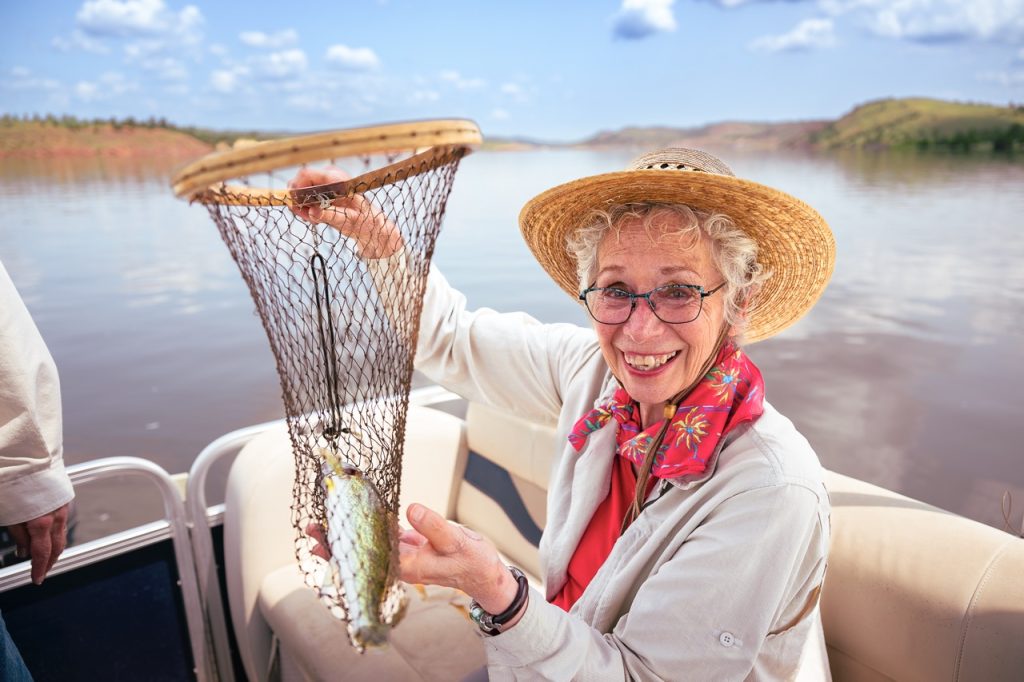
Southeast Montana offers a variety of easily accessible lakes and reservoirs that are perfect for a relaxed day of fishing, whether you’re after stocked trout, perch, or warmwater species. Just outside Billings, Lake Elmo State Park is a popular local spot known for consistent fishing, family-friendly access, and calm waters that are ideal for both shore anglers and small watercraft.
Farther east, the Spotted Eagle Recreation Area in Miles City provides a convenient in-town option for anglers looking to wet a line without traveling far. It’s a great choice for quick outings, especially when conditions on the rivers aren’t ideal. In Baker, Baker Lake is another strong option, offering a quieter setting and solid opportunities for catching a mix of species throughout the season.
Together, these waters highlight just how much variety Southeast Montana has to offer, from community lakes to larger reservoirs, making it easy to find productive fishing close to home.
More information on lakes and rivers in Southeast Montana can be found at https://southeastmontana.com/lakes-and-rivers.
Top Access Spots and Finding New Water
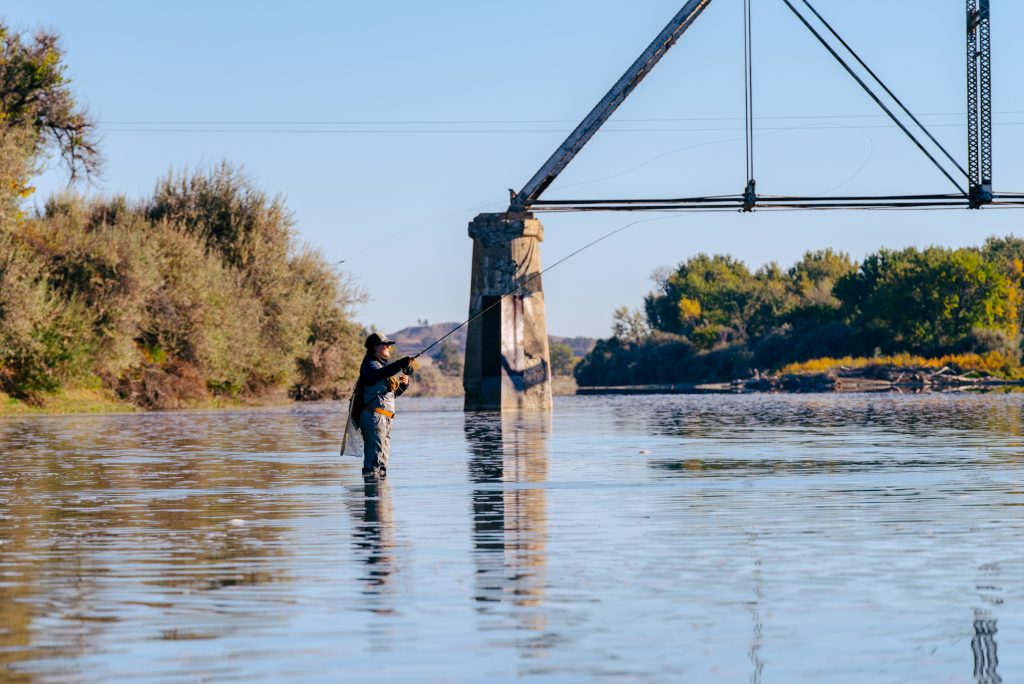
With thousands of miles of fishable water across Southeast Montana, finding a good place to start is easy. Popular access sites can be found along the Yellowstone, Tongue, and Powder rivers, as well as many lakes and reservoirs. Before heading out, use Montana Fish, Wildlife & Parks' FishMT Explore Map to locate public fishing access sites, review regulations, and discover new waters to explore. It's one of the best tools available for planning your next fishing adventure. The map can be found here https://myfwp.mt.gov/fishMT/explore.
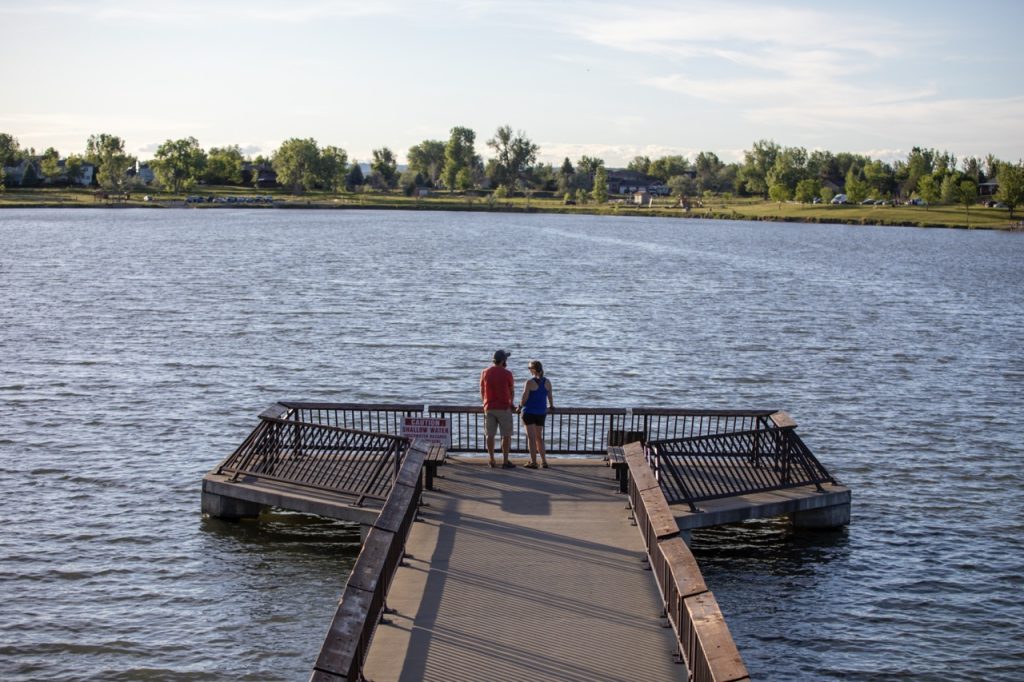
Plan Your Southeast Montana Fishing Adventure
Summer fishing in Southeast Montana is about more than what’s on the end of the line. Its sunrise launches, long floats under big skies, and evenings spent swapping stories around campfires after a day on the water.
From the legendary trout waters of the Bighorn River to the scenic Yellowstone and the hidden beauty of the Tongue River, Southeast Montana offers anglers endless opportunities to explore.
Bring your own gear, hire a local guide, or simply follow the rivers and see where the day takes you. Out here, adventure is always close to the water.
Before you head out on the water, make sure you always have a valid Montana fishing license with you. Some anglers keep a digital copy on their phone while storing the
original safely at home, just be sure you’re following current Montana regulations before relying on that option.
If you plan to fish with live bait, check Montana Fish, Wildlife & Parks regulations ahead of time to make sure your bait is legal. Certain baitfish, like shiners, are prohibited, and live bait cannot be transported across state lines. As always, anglers are responsible for knowing and following Montana fishing laws.
One of the best parts about fishing in Southeast Montana is the community. Don’t be surprised if a local FWP officer stops by to check licenses, admire the day’s catch, and swap fishing reports or tips on where the bite has been good lately. Folks are friendly out here, and conversations on the riverbank are all part of the experience.
Have a great summer on the water and enjoy fishing!
Note: A Montana Conservation License is also required for everyone age 12 and older to access most state lands, including wildlife management areas, fishing access sites and wildlife habitat protection areas, and all types of recreation including launching watercraft, hiking, biking, wildlife viewing, etc. State parks are excluded from this requirement. Learn more at https://fwp.mt.gov/buyandapply/conservation-license
Know before you go, conditions on Montana's rivers and streams can change throughout the season due to drought, low flows, high water temperatures, construction projects, and other emergencies. Montana Fish, Wildlife & Parks may implement temporary fishing closures or "hoot owl" restrictions, which prohibit fishing from 2 p.m. to midnight to help protect stressed fish populations. Before every fishing trip, check the current waterbody restrictions page to ensure your destination is open and to stay informed of any emergency regulations that may affect your plans.
Current restrictions and closures can be found at https://fwp.mt.gov/news/current-closures-restrictions/waterbody-closures.